I still bear in mind the very first time an onlooker conserved a life in front of me. A traveler collapsed on a suv platform, pale and gasping, and a bakeshop employee from nearby sprinted over, dropped to her knees, and started compressions. No attire. No badge. Simply abilities. Paramedics got here to a pulse and a fighting chance. That day convinced me that first aid understanding needs to be simpler to access, less expensive to obtain, and extra embedded in day-to-day live. If the cost of training maintains people from learning, we shed also much.
The excellent information is you can obtain educated without paying. Strong, genuine options exist if you recognize where to look, and in numerous places you can earn an emergency treatment certificate cost free, consisting of the core Australian unit HLTAID011 for eligible groups. Listed below, I'll map the landscape for free mouth-to-mouth resuscitation and first aid training, explain just how to locate reputable suppliers, and offer a sensible path to your complimentary first aid certification, whether you reside in a huge city or a regional town.
What "complimentary" emergency treatment training typically means
Free first aid can mean several various things, and the differences matter.
Sometimes the entire course is moneyed by a grant, charity, or employer, and you win an acknowledged certificate without paying a cent. Other times the knowledge modules are complimentary, yet there's a small cost for the hands-on evaluation or the budget card. You'll likewise discover scholarships or one-day sponsorships where councils or community groups purchase a block of seats, advertised as free first aid training course near me for a particular date.
Watch for 3 variables. Initially, is the course recognized or non-accredited? Recognized courses satisfy national or regional requirements and lead to formal certification, while non-accredited sessions are commonly shorter, still useful, and typically focused on functional abilities for home, sporting activity, or workplace setups. Second, is the service provider recognized by employers in your location? Third, free online first aid courses does "free" cover the whole procedure, or only the e-learning?
If your goal is a cost-free first aid certification you can use at work, validate in advance that the training maps to a recognized requirement. In Australia, HLTAID011 Offer Emergency Treatment is the baseline for most work environments. In the United States, employers frequently accept American Heart Organization or American Red Cross credentials. In the UK, seek companies aligned to regulated granting companies or recognized neighborhood resuscitation charities. The phrasing varies by nation, but the concept is the same: cost-free is excellent, identified is essential.
Where to discover totally free first aid and mouth-to-mouth resuscitation courses that really run
Start local, and begin with companies that regularly run community health and wellness programs. You desire groups that have a stable budget or predictable give cycles, because that translates to a lot more reputable scheduling.
City and area federal governments usually acquire area seats after major cases or as part of public wellness efforts. Collection systems, leisure centers, and neighborhood watch host weekend sessions and advertise free first aid courses near me on bulletin boards and social feeds. Healthcare facilities run outreach through injury avoidance teams. Fire divisions introduce cost-free CPR emergency treatment programs during occasions or security weeks. And sporting activities clubs, particularly junior leagues, often fund free emergency treatment and CPR training for instructors and moms and dads in advance of the season.
Charities are cpr certification options near me the heart of the community. They negotiate location space, hire volunteer instructors, and keep a tiny shop of method manikins and instructor AEDs. In Australia, look for charity first aid training connected to HLTAID011 free program pilots, particularly in regional locations, refugee support solutions, and Indigenous wellness campaigns. You'll likewise see a handful of companies promote hltaid011 charity course during disaster preparedness projects or heatwave preparation seasons.
Universities and employment companies introduce temporary complimentary emergency treatment course near me efforts during registration drives. They often open up a limited variety of seats to the general public, since it aids instructors log mentor hours and develops a good reputation. The places go fast, so sign up with email lists and set signals for "first aid program completely free" or "complimentary mouth-to-mouth resuscitation and emergency treatment courses near me."
Employers often fund training for their staff and a few neighborhood participants. Retail parks, big building sites, and mines have done this when they need a rise in qualified responders. It never ever harms to ask the site health and safety group if extra seats exist.
Finally, on the internet directories can help, yet workout caution. Craigslist-style articles and general classifieds have a combined document. Much better leads come from main council pages, health center community calendars, or credible training companies that flag free first aid and mouth-to-mouth resuscitation qualification classes during special campaigns.
What "accredited" resembles in practice
Accredited does not suggest good by itself, however it does ensure a baseline. Companies count on it because it demonstrates consistent educational program, teacher qualifications, and evaluation standards.

In Australia, HLTAID011 Give Emergency treatment sits under the nationwide training structure. If you see free hltaid011 or hltaid011 free first aid marketed, verify the signed up training company (RTO) number and look for current confirmation on the national register. A legitimate cost-free emergency treatment course australia promotion normally details the RTO, the device code, shipment hours, assessment demands, and whether mouth-to-mouth resuscitation is included. If the ad discusses an assessment-only pathway, anticipate a pre-course concept component plus an in-person abilities evaluation that includes 2 mins of continual mouth-to-mouth resuscitation on an adult manikin put on the flooring. No RTO number, no device code, no evaluation information? Walk away.
Outside Australia, check for the comparable signals. An American Heart Association Basic Life Support or Heartsaver Emergency Treatment mouth-to-mouth resuscitation AED card number is proven. Red Cross programs produce digital certifications you can validate. In the UK, look for awarding bodies like Qualsafe, Highfield, or similar, and ask for a spec sheet. In several countries, national resuscitation councils supply checklists of accepted trainers or centers.
If you're supplied emergency treatment free of cost with unclear pledges and no analysis, treat it as awareness training. Valuable to develop confidence, however not an alternative to a cost-free first aid certification identified by employers.
What to expect on the day
Most cost-free CPR and emergency treatment qualification classes adhere to a mixed version. You'll complete pre-course analysis or e-learning that covers the fundamentals. After that you attend a brief sensible session where teachers verify your abilities. The in-person part issues. Genuine compressions for 2 minutes will certainly educate you more regarding exhaustion and technique than any kind of video clip ever before could.
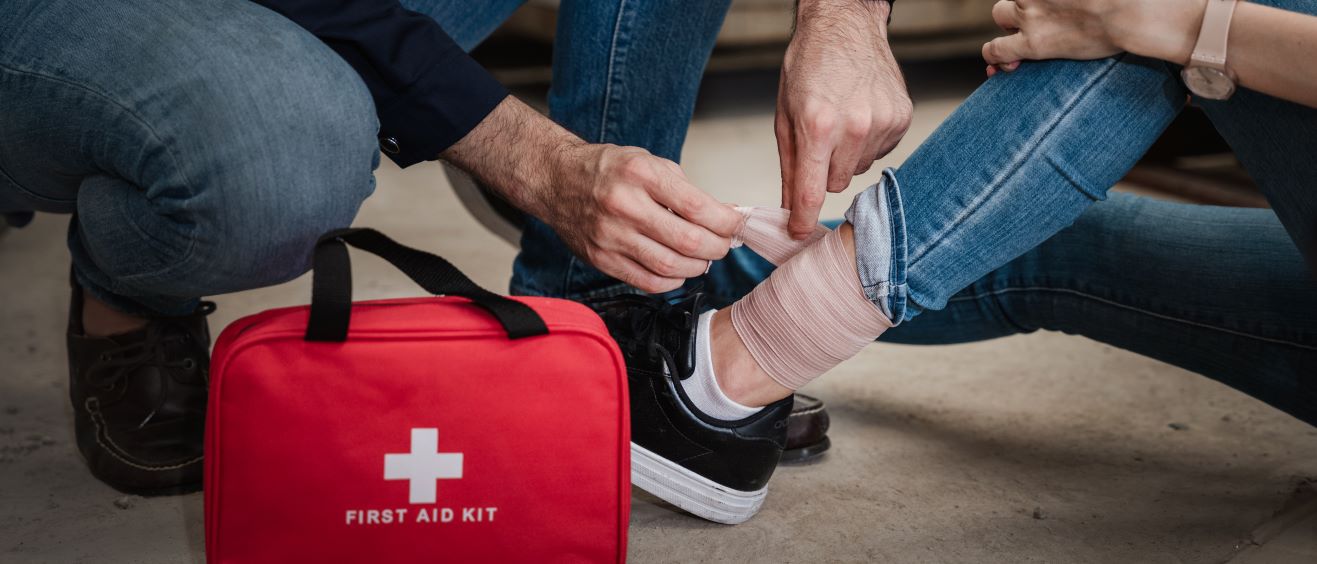
The functional section normally rotates via three stations. First, adult mouth-to-mouth resuscitation and AED usage. You'll position your hands mid-sternum, lock your elbow joints, and push hard sufficient to move the chest regarding one third of its deepness, at a price near 100 to 120 compressions per minute. Instructors watch for full recoil and offer feedback. Second, choking action for grownups and kids, including back impacts and stomach thrusts, plus infant methods for those training courses that consist of pediatric web content. Third, standard emergency treatment: serious blood loss control, recuperation setting, burns, and acknowledgment of stroke, upper body pain, and anaphylaxis. You'll exercise applying a pressure plaster and utilizing an epinephrine auto-injector trainer.
Some charity first aid sessions lean heavier on the easy, high-yield treatments since time is tight. That's a good thing. The top priority is to get more individuals to start compressions early, stop major blood loss, and call for aid without delay.
How to look successfully for free alternatives near you
I've had far better outcomes by developing a tiny, local search routine as opposed to relying upon solitary key phrase blasts. Beginning with your town or neighborhood council website. Utilize the site search for "first aid" or "CPR." After that scan the events schedule for safety and security weeks, preparedness days, or community wellness fairs. Add the presence of health centers and colleges into the mix. Most healthcare facility systems introduce upcoming training on Facebook or X. Recreation facilities are still old-fashioned, and you'll find leaflets at the front desk.
Use a few targeted terms together. "Free emergency treatment courses near me" is an excellent baseline, however try "complimentary mouth-to-mouth resuscitation and first aid courses near me Saturday" or "emergency treatment training course near me cost-free assessment-only." In Australia, "totally free hltaid011" or "hltaid011 totally free course" will surface RTO-led programs if they exist. If your location has a huge traveler or refugee community, seek "emergency treatment training free settlement solutions" which has a tendency to uncover charity partnerships.
When you discover a lead, inspect three information: the supplier's lawful name, the training course code or title, and whether the session includes a certification. After that call them by phone or a short email and inquire about eligibility. Several complimentary first aid and cpr training provides focus on caregivers, trainees, jobseekers, and volunteers. If places are restricted, a polite request and a little flexibility on timing goes a long way.
When totally free is worth it, and when to pay
I am a supporter free of cost cpr and first aid training, however I additionally care about high quality and suitable for purpose. Right here's exactly how I weigh it.
If you require the certificate for work quickly, and the complimentary option is weeks away or uncertain, pay the charge if you can. A reputable training course that takes place next Tuesday beats a hypothetical complimentary session next quarter. If your spending plan is tight, call the company and ask about a layaway plan or a volunteer-for-training exchange. Providers are extra flexible than individuals think.
If you're renewing, and your last program covered the fundamentals well, a complimentary refresher is a clever pick. Skills degeneration is real, and any type of hands-on practice resets the clock. If the totally free course does not provide an official card, pair it with low-priced evaluation later.
If you train youth sport or take care of elderly family members, grab any kind of cost-free first aid mouth-to-mouth resuscitation training seat you can discover, then dedicate to a paid program every 2 to 3 years. You'll get self-confidence, and your hands discover what your eyes miss out on. I have actually watched new learners change in a single afternoon.
If you operate in a risky atmosphere, go for recognized, even if it sets you back. Your risk account should have organized practice on hemorrhaging control, team effort, and situation drills that a brief complimentary session can't constantly cover.
What makes an excellent course, paid or free
The best teachers meet you at your level. They explain what issues and why, then let you practice up until you really feel the rhythm of upper body compressions and the pressure of a correct plaster. They maintain circumstances real. A youngster choking at a barbeque. A tradesperson fainting on a hot day. A runner face down at kilometer 9. They ask what worries you most and see to it you have a prepare for that.
Equipment matters. If a class only has a solitary, worn manikin for ten people with no comments tool, you'll spend even more time enjoying than doing. Search for sessions with ample manikin ratios and AED trainers that beep and prompt.
The tone of the class matters even more. Calmness, no shaming, lots of technique. People remember just how they felt during training. If you felt hurried, you'll hesitate later. If you really felt sustained, you'll step forward when it counts.
The straightforward capability that conserves one of the most lives
If we boiled emergency treatment to the fundamentals that move outcomes, three activities control: start reliable compressions early for cardiac arrest, telephone call for aid quickly and plainly, and control extreme blood loss quick. Every little thing else builds on these.
CPR maintains blood moving to the mind up until a defibrillator or paramedic shows up. The difference between beginning at min one versus minute 4 is enormous. If you have an AED close by, utilize it. The gadget tells you what to do, and it will certainly not shock a regular heartbeat. You are not mosting likely to make points even worse by putting pads and complying with the prompts.
Bleeding control is basic physics. Straight pressure is king. Press with your turn over clean cloth, use a solid stress plaster, and if hemorrhaging soaks with, press more difficult or include more towel without eliminating the first layer. Tourniquets have moved from taboo to tool when used properly for arm or leg injuries, and some complimentary training courses currently include them where legal and appropriate.
Calling for assistance seems noticeable until the adrenaline hits. Talk the address or landmark initially, after that the problem in ordinary words: "We have a grownup that is not breathing and needs CPR," or "Severe blood loss from a leg injury after a loss." People rehearse compressions greater than words. Exercise the phone call too.
What to bring, how to prepare, and what to ask
Show up rested if you can. Use clothes you can kneel in. Anticipate to rise and below the floor numerous times. If kneeling is a trouble, inform the instructor and they'll adapt your position, but still get you a genuine analysis. Bring a container of water and, if your course is longer than 2 hours, a snack.
Ask for a brief, reasonable circumstance that matches your life: a baby choking if you have a child in your home, or older adult falls if you care for a parent. Excellent instructors appreciate details requests because it makes the session relevant.
If the program consists of certification, ask how to access your card later, for how long the credential lasts, and what the recommended revival duration is for mouth-to-mouth resuscitation versus general first aid. In several programs, mouth-to-mouth resuscitation refreshes each year while complete first aid has a much longer interval, though offices commonly like tighter cycles.
How online-only fits into the picture
You will discover complimentary emergency treatment course companies on-line offering certificates after quizzes and videos. These serve for expertise refresher courses, safety inductions, or personal development, and some industries approve them for low-risk roles. The catch is the absence of a hands-on evaluation.
If your employer or regulatory authority needs proof of useful skills, you'll require either a mixed course with an in-person assessment or an online session that uses a delivered manikin and live video oversight. The last is much less usual in cost-free programs because of tools prices. If you see complimentary first aid and mouth-to-mouth resuscitation certification online asserts that pledge accredited status with no in-person check, look at the details. Most of these are awareness certificates, not competency-based credentials.
That said, on the internet components beam for pre-course preparation. You take in the decision trees and mnemonics at your pace, and technique day can concentrate on doing, not lecturing.
A reasonable course to a cost-free certificate
Here is a compact plan that balances speed and certainty.
- Block half an hour to browse. Hit your regional council occasions page, two close-by hospital community schedules, and the social web pages of acknowledged training carriers. Usage terms like free first aid program, free cpr and first aid training, and in Australia add hltaid011 cost-free course. Contact 2 service providers directly. Ask about following dates free of charge first aid and cpr training course seats, whether the accreditation is recognized, and the waiting list procedure. Offer weekday versatility if possible. Complete a totally free online awareness component today. It sets you back absolutely nothing, builds self-confidence, and makes you a much better student on assessment day. Set a sharp for "free emergency treatment accreditation" plus your residential area and check when a week. If a free seat hasn't opened up within a month and you require the card for job, publication a paid assessment-only option with the supplier that responded clearly.
What Australian learners ought to understand about HLTAID011
I get a great deal of questions about the HLTAID011 complimentary first aid landscape. It transforms with funding cycles. There are seasons when councils, community health solutions, or jobactive carriers support whole associates. There are likewise pockets of charity assistance for regional volunteers, carers, and neighborhood leaders. When you see free first aid course australia ads, anticipate high demand and rigorous qualification. Schedule quickly, and turn up. No-shows waste uncommon opportunities.
For everyone else, the crossbreed design is the sweet spot. You can often complete theory online completely free, after that pay a small fee for the practical evaluation. If expense is still a barrier, inquire about a concession or an area coupon. I have actually seen trainers quietly reduce fees when people ask respectfully and clarify their situation.
Be wary of anybody offering HLTAID011 without floor CPR technique or a signed up training company provided. It's either non-accredited understanding training, which is great as recognition, or a red flag.
After you accredit: maintain the behavior alive
A card in your budget is not the goal. It's a proxy for preparedness. Abilities fade without practice, and the interval is shorter than people think. Within 3 months, your compression depth softens unless you've done a refresher. Establish suggestions to view a two-minute CPR demo every few months. If your work environment has an AED, open up the closet once a year with authorization, inspect the pads and battery signs, and check out the very first three steps out loud. Little routines like this make skills stick.
Teach a good friend what you learned. Explaining the recovery placement or the steps for a choking infant embeds the series in your memory. If your residential area runs a neighborhood occasion, volunteer for a booth that demos mouth-to-mouth resuscitation on a manikin. It takes an hour and trains your own hands again.

The worth of tipping forward
The minute you start compressions, you enter into a chain that includes dispatchers, coworkers, firemans, and paramedics. It's a powerful feeling the first time you listen to the AED reveal "no shock suggested, proceed CPR," and you recognize what to do next. I've seen young adults take charge when adults iced up, and grandparents steady a room with a single, practiced sentence.
Free mouth-to-mouth resuscitation and emergency treatment course programs exist to make that possible for more individuals, in more areas, without cost getting in the way. Whether you find complimentary cpr and emergency treatment courses near me via a council page, a charity center, or a workplace partnership, take the seat. If an approved card is provided, assert it. Otherwise, grab the discovering anyhow and match it with an evaluation when you can.
If you take care of a team, take into consideration organizing a session. Charity emergency treatment teams can bring manikins and a trainer to your lunchroom. You provide a lots participants and the room. It is just one of the highest-return uses a team conference I understand. And if you're a student or jobseeker, ask your campus or work solution about first aid training cost-free positionings. These typically fly under the radar.
The bakeshop employee on that platform had actually discovered mouth-to-mouth resuscitation at a community center a year previously. She really did not pay for the class. She did pay it ahead when it mattered. That is the point of every one of this. Learn the skills, maintain them alive, and be ready to utilize them. The certificate is proof. The self-confidence to act is the real prize.